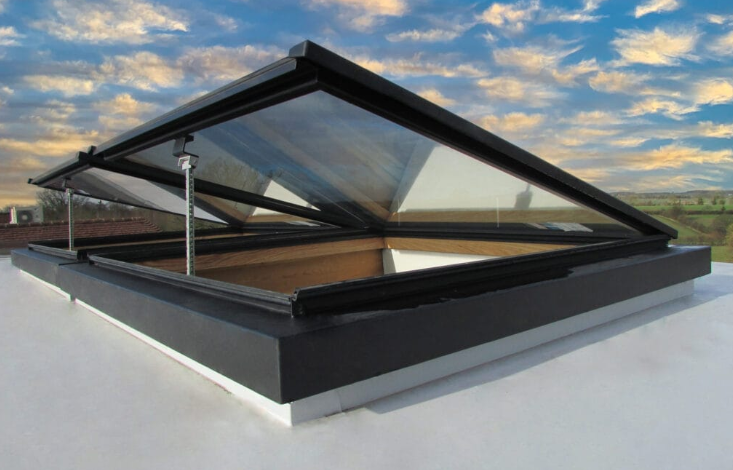
Flat roof buildings are a common feature across the United Kingdom, found in residential extensions, commercial units, schools, and public buildings. As demand grows for brighter interiors, Polycarbonate Rooflights for Flat Roofs applications are increasingly specified to address the challenge of introducing sufficient natural light into these spaces. While flat roofs offer flexibility in design and construction, they can present challenges when it comes to daylight penetration. As daylight becomes an increasingly important consideration in modern building design, roof-mounted glazing has emerged as a practical solution.
Among the available options, polycarbonate rooflights have gained attention for their balance of performance, durability, and affordability. Their ability to improve daylight levels while withstanding the demands of the UK climate makes them a widely used choice in flat roof construction.
The Importance of Daylighting in Flat Roof Buildings
Natural light has a significant impact on how interior spaces are experienced. Bright environments tend to feel more open, comfortable, and welcoming, while also reducing reliance on artificial lighting during the day. In flat roof buildings, where wall windows may be limited or positioned away from key areas, rooflights offer an effective way to introduce daylight from above.
By allowing light to penetrate deeper into the building, roof glazing helps create more evenly lit spaces. This is particularly valuable in areas such as corridors, kitchens, classrooms, and workspaces, where consistent illumination improves usability and comfort. Daylighting strategies are also closely linked to energy efficiency, as reduced artificial lighting leads to lower electricity consumption over time.
Understanding Polycarbonate as a Roofing Material
Polycarbonate is a lightweight, impact-resistant material commonly used in roofing applications. Unlike traditional glass, it offers high strength while remaining flexible, making it suitable for environments where durability is essential.
Polycarbonate rooflights are often manufactured in multiwall or solid sheet formats, providing insulation as well as light transmission. Their structural properties allow them to perform well under varying weather conditions, including heavy rain, wind, and temperature changes.
These characteristics have contributed to the growing use of Polycarbonate Rooflights for Flat Roofs in both residential and commercial construction projects.
Performance in the UK Climate
The UK climate is known for its unpredictability, with frequent rainfall, seasonal temperature shifts, and varying daylight levels throughout the year. Roofing materials must be capable of handling these conditions without compromising performance.
Polycarbonate rooflights are designed to resist water ingress and withstand prolonged exposure to moisture. Their impact resistance also provides protection against hail, debris, and other external forces that may affect roof-mounted elements.
In addition, modern polycarbonate systems are engineered to manage thermal performance effectively, helping maintain stable internal temperatures regardless of external weather conditions.
Thermal Efficiency and Energy Considerations
Energy efficiency is a major consideration in contemporary building design, influenced by rising energy costs and increasingly strict building regulations. Roof glazing plays an important role in this context.
Polycarbonate rooflights often incorporate insulating layers that help reduce heat loss during colder months. At the same time, they allow controlled daylight entry, limiting the need for artificial lighting during the day. When correctly specified, Polycarbonate Rooflights for Flat Roofs can support an overall energy-efficient building strategy by balancing light transmission with insulation performance.
Durability and Long-Term Reliability
One of the key advantages of polycarbonate rooflights is their durability. Unlike some traditional glazing materials, polycarbonate is highly resistant to cracking and breakage, making it suitable for buildings where long-term reliability is essential.
This durability is particularly beneficial in commercial and public buildings, where roof access may be limited and maintenance disruption needs to be minimised. Polycarbonate rooflights are designed to retain their structural integrity over many years, even when exposed to challenging environmental conditions.
Their resistance to UV radiation also helps prevent yellowing and material degradation, ensuring consistent light quality over time.
See also: Understanding Mortgages: A Guide for Homebuyers
Applications Across Different Building Types
Polycarbonate rooflights are used across a wide range of flat roof applications in the UK. Common uses include:
- Residential extensions and kitchens
- Industrial and warehouse buildings
- Educational facilities and sports halls
- Healthcare and community buildings
- Retail units and office spaces
This versatility makes them a practical choice for projects with varying functional requirements. By improving natural light, rooflights enhance both comfort and usability across different environments.
Design Flexibility and Installation
Flat roof polycarbonate rooflights are available in a range of sizes, shapes, and configurations, allowing them to be integrated into different roof layouts. Modular systems can be arranged to suit specific daylighting needs, while low-profile designs help maintain a clean roof appearance.
Installation is typically straightforward when carried out by experienced professionals. Proper detailing around the roof opening and weatherproofing is essential to ensure long-term performance.
Specialist suppliers such as Skylights Roof Lanterns provide guidance on selecting appropriate rooflight systems, helping ensure that performance and durability requirements are met without compromising design intent.
Compliance with UK Building Regulations
Roof glazing systems used in flat roofs must comply with UK building regulations relating to safety, thermal performance, and weather resistance. Polycarbonate rooflights are generally manufactured to meet these standards, making them suitable for regulated construction projects.
Compliance considerations include insulation values, fire performance, and load-bearing capacity. When specified correctly, rooflights contribute positively to regulatory approval processes and overall building performance assessments.
This makes them a reliable option for both new builds and refurbishment projects.
Maintenance and Care Requirements
Maintenance is an important consideration for any roof-mounted feature. Polycarbonate rooflights are designed to require minimal upkeep, which adds to their long-term value.
Routine cleaning helps maintain light transmission and appearance, while occasional inspections ensure that seals and fixings remain secure. Due to their robust nature, polycarbonate rooflights are less prone to damage, reducing the likelihood of repairs.
This low-maintenance profile is particularly appealing for commercial buildings and multi-occupancy properties.
Balancing Cost and Performance
From a cost perspective, polycarbonate rooflights often present a more affordable alternative to some glass-based systems, without sacrificing essential performance qualities. Their durability and long lifespan contribute to strong value over time.
When evaluating rooflight options, building owners and designers often consider not only initial costs but also long-term energy savings, maintenance requirements, and replacement cycles. Polycarbonate systems perform well across these criteria.
As a result, Polycarbonate Rooflights for Flat Roofs are frequently selected for projects that require dependable performance within a controlled budget.
Conclusion
Daylighting remains a central element of modern building design, and roof-mounted glazing provides an effective solution for flat roof structures. Polycarbonate rooflights offer a strong combination of performance, durability, and practicality, making them suitable for a wide range of UK building applications.
Their ability to withstand challenging weather conditions, support energy efficiency, and deliver consistent daylight makes them a reliable choice for both residential and commercial projects. When thoughtfully specified and properly installed, polycarbonate rooflights contribute to brighter, more comfortable, and more efficient interior spaces that meet the demands of contemporary building use.