When water starts gushing from a broken pipe or sewage backs up into your home, panic is a natural response. Yet staying calm and taking immediate action can prevent thousands of pounds in damage. Knowing which situations demand urgent attention and what steps to take before professional help arrives makes all the difference between a manageable crisis and a devastating disaster.
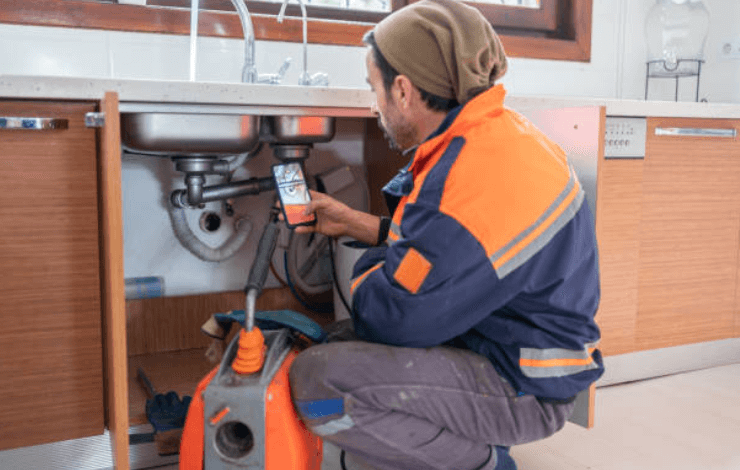
Not every plumbing issue requires dropping everything at 3 a.m., but certain scenarios absolutely cannot wait. A North Bay plumber responding to genuine emergencies sees the same critical situations repeatedly: burst pipes flooding properties, complete sewage backups threatening the health of the property, and gas leaks creating dangerous conditions. Understanding the distinction between inconvenient problems and true emergencies helps you respond appropriately and protect your property from extensive damage.
Recognising True Plumbing Emergencies
Burst Pipes and Major Leaks: The sound of rushing water where it shouldn’t be signals serious trouble. Burst pipes typically occur during freezing temperatures when water expands inside the pipework, though age and corrosion also cause catastrophic failures. These situations flood homes rapidly, damaging floors, walls, furniture, and electrical systems. Even a seemingly small leak can pour dozens of litres per hour into your property.
Sewage Backups and Overflows: Perhaps the most unpleasant emergency involves sewage flowing back through drains, toilets, or basement fixtures. These situations create immediate health hazards through bacterial contamination and require urgent professional intervention. The longer sewage sits in your living spaces, the greater the risk of illness and the more extensive the cleaning required afterwards.
Gas Leaks Near Water Heaters: The distinctive smell of gas near your water heater or boiler demands immediate action. Gas leaks pose explosion and making them arguably the most dangerous plumbing-related emergency. These situations require evacuating the property and calling emergency services alongside your plumbing professional to ensure everyone’s safety.
Immediate Steps Before Help Arrives
Shut Off the Water Supply: Locating your main water shut-off valve before emergencies occur saves precious minutes during a crisis. This valve typically sits where the main line enters your property, often in the basement, garage, or near the water metre. Turning it clockwise stops water flow throughout the entire house, halting further flooding from burst pipes or major leaks.
Turn Off Water Heaters: Once you’ve stopped the water supply, shut down your water heater to prevent damage to the unit. Electric heaters should be switched off at the breaker box, whilst gas models require turning the gas control valve to the pilot position. Running a water heater without water flowing through it causes serious damage to the heating elements and internal components.
Document and Contain the Damage: Whilst waiting for professional help, photograph all affected areas for insurance purposes. Capture water levels, damaged belongings, and the source of the problem if visible. Place buckets under active drips, use towels to create barriers against spreading water, and move valuable items to higher ground. These simple actions minimise damage to irreplaceable possessions and expensive furnishings.
Common Emergency Scenarios and Quick Responses
- Frozen pipes showing signs of bursting: Apply gentle heat using a hairdryer or warm towels, working from the tap backwards towards the frozen section, never using open flames or high-heat sources that might damage pipes.
- Toilet overflowing continuously: Remove the tank lid and push down the flapper valve to stop water flow, then locate the water supply valve behind the toilet and turn it clockwise to shut off completely.
- Water heater leaking from the base: Turn off both water supply and power source immediately, place containers to catch dripping water, and avoid touching the unit if water has reached electrical components or gas lines.
- Sump pump failure during heavy rain: Check the circuit breaker first as power issues cause many failures, ensure the discharge pipe isn’t frozen or blocked, and consider bucketing water manually if basement flooding threatens valuable items or utilities.
Why Professional Help Cannot Wait
Structural Damage Escalates Rapidly: Water finds every crack, seam, and weak point in your home’s structure. What starts as surface flooding quickly penetrates subflooring, seeps into wall cavities, and compromises foundations. Professionals arrive equipped with moisture detection equipment and extraction tools that prevent long-term structural issues regular homeowners simply cannot address adequately.
Health Hazards Multiply Over Time: Standing water becomes a breeding ground for harmful bacteria within hours, whilst mould spores begin colonising damp materials in as little as 24 to 48 hours. Sewage backups introduce particularly dangerous pathogens requiring proper sanitisation protocols. Attempting to clean serious contamination without professional equipment and knowledge risks serious illness for you and your family.
DIY Attempts Often Worsen Problems: The stress of an emergency tempts many homeowners to attempt repairs beyond their skill level. Incorrectly soldering pipes, over-tightening fittings, or misdiagnosing the root cause frequently transforms a manageable repair into an expensive reconstruction project. Professionals identify underlying issues that caused the emergency, preventing repeat failures and addressing water heater components that might have contributed to the problem.
Conclusion
Plumbing emergencies test every homeowner’s ability to stay calm under pressure and act decisively to protect their property. Recognising genuine emergencies, knowing immediate response steps, and understanding why professional help cannot wait prevents minor problems from becoming major disasters. Keep emergency contact numbers readily available, familiarise yourself with your home’s plumbing systems, and never hesitate to call for help when faced with situations beyond your control or expertise.