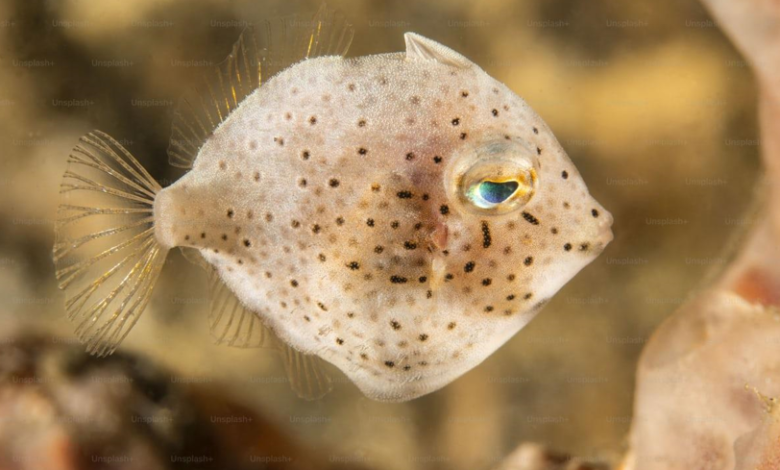
Goldfish are regarded as one of the favorite and well-known aquarium fish all over the world. Although the majority of individuals are accustomed to the typical goldfish, there is a type that is quite unique and that is really impressive in its appearance: the big forehead goldfish otherwise called the Oranda goldfish. Orandas are round and egg-shaped creatures with their unique form of head development (often referred to as a wen) which enthralls the hobbyists in their strange beauty and peaceful nature.
In this blog, we shall venture into all the information you should know about these amazing fish. We will discuss their big forehead; why this is so special, their origins and history, the type of oranda goldfish you can keep, and how to take care of them. We will also address typical health issues, the arrangement of the best tank set up and the reasons why Oranda goldfish has been so popular among aquarists. Afterwards you will be in a good position to make a decision on whether to buy a big forehead goldfish to your home aquarium or not.
The Earliest History of the Big Forehead Goldfish.
The Oranda goldfish was first known in the 15th to 16th century and it was thought that they had been selectively bred in China and refined in Japan. The most iconic thing about the Oranda is its wen, the fleshy lump that appears on its head and face. Most fans refer to it as a huge forehead or a bubble-like crown.
Interestingly, the oranda did not exist in the wild. It is an artificial breed that has been developed by centuries of meticulous breeding. The wen was an object of allure and status mostly in Asian cultures, where Orandas were commonly given as gifts to rulers and placed in museums as living art. They remain very popular in the world today not only in home aquariums or in the competitive fish shows.
The Unique “Big Forehead” (Wen).
The large fleshy growth that covers the head of the Oranda is the characteristic feature of the animal. This wen is usually formed at an age of approximately 3-4 months of age, and this keeps rising as the fish grows. When an Oranda grows up, the wen may envelop all the top of its head, occasionally even about the cheeks and plates of the gills.
Though this might appear strange to novices, the wen is not a bad thing provided it is well taken care of. It is actually one of the most desired characteristics of the fish. Nevertheless, when the growth is too large, it may impair vision or expose the fish to bacterial infections. That is the reason why aquarists should give special attention to the quality of water and the food to maintain the wen in a good health and shape.
Fun fact: There are also orandas that are sometimes referred to as the lionhead with a dorsal fin since even though they look like lionheads in terms of the shape of their wen, they still have their dorsal fin unlike lionheads.
Types of Oranda Goldfish
Oranda goldfish have been bred in a wide range of beautiful varieties each having different color scheme and development of the wen. The following are the most popular types:
1. Red Cap Oranda
The most famous form is the Red Cap Oranda which is a bright white body with a bright red wen, which makes it look capped.
2. Black Oranda
This is very deep black everywhere, including its wen, and makes a gorgeous and dramatic effect.
3. Blue Oranda
One of the rarer types is the Blue Oranda which has shades of silver-blue with a weak wen, and this is much sought after by the collector.
4. Calico Oranda
Calico Orandas with their multicoloured patterned speckles are playful and lively and they often blend into the patchy scheme of colour.
5. Chocolate Oranda
This type is characterized by rich brown or bronze colors and thus stands out against the common tones of gold and orange.
All of them are unique in one way or another but they all combine the typical big forehead appearance that distinguishes Orandas among other goldfish.
See also: Why Beetroot Juice Is a Health Game-Changer
Personality and Behavior
Oranda goldfish are docile and quiet creatures despite their weird looks. They do well in community tanks together with other like tempered species but may not do well when put together with fast and aggressive fish that may out compete them.
Their motion in the water is very still and smooth and they frequently move slowly because of their rounded bodies and soft flowing wings. Orandas are also very social and thrive in small groups and go on to be very attached to the tank mates and even acknowledge their owners with time.
There is also one thing, which is: Since their wen and their tender fins, Orandas are no strong swimmers. This does not imply that you should keep them in tanks where the currents are high or incomprehensible decorations that will harm them.
Tank Preparation of the Big Forehead Goldfish.
Being an Oranda, it takes more than a bowl, he requires a large well-kept aquarium to flourish. The following are the major setup requirements:
- Tank Size: 20 or more, 30 or more, depending on how many Orandas you are keeping, an extra 10 gallons of water.
- Filtration: A powerful and mild filtration is essential to ensure the quality of water without forming severe currents.
- Substrate and Decoration: smooth gravel or sand is preferable, and ornaments and vegetation which will not hurt their wen or fins.
- Water Requirements: Orandas like 65 72 F (18 22 C) of temperature, 6.5 7.5 of pH and low ammonia/nitrate content.
- Lighting: They have moderate lighting, which facilitates the exhibition of their beautiful colors and leaves the fish not stressed.
To enhance and increase oxygenation, it can also be nice to add live plants, although make sure to select hardy plants that cannot be dislodged easily, such as Anubias or Java Fern.
Diet and Nutrition
Orandas should eat a healthy diet to develop a strong level of immunity and retain their wen. They are omnivores, i.e. consume plants as well as animal food.
Recommended diet includes:
- Goldfish pellets of high quality sinking.
- Blanched (peas, spinach, zucchini) vegetables.
- Treats that are filled with protein such as bloodworms or brine shrimp.
- Fruity snacks (bites of orange or apple) occasionally.
The food intake should be 2-3 times a day in a small portion. As Orandas are susceptible to digestive problems such as swim-bladder disorder, flakes are not used, instead sinking ones are used to minimize air intake.
The Health issues in Oranda goldfish.
Orandas are beautiful, but delicate too, in comparison with other goldfish. Their body and shape place them at a risk of some health complication:
- Wen Infections: Bacteria or fungi can infect the folds of their wen if water quality is poor.
- Vision Impairment: Overgrown wens may obstruct their eyes, making it hard for them to compete for food.
- Swim Bladder Problems: Their round bodies make them more prone to buoyancy issues.
- Parasitic Infections: Like all goldfish, Orandas can suffer from ich, flukes, or other parasites if not quarantined properly.
Regular water changes, a balanced diet, and prompt attention to early symptoms are the best ways to prevent health complications.
Why Choose a Big Forehead Goldfish?
The Oranda’s charm lies in its uniqueness. Few fish inspire as much conversation as one with a bubble-like forehead. Beyond their appearance, they offer:
- Aesthetic appeal – Flowing fins and unique colors make them centerpiece fish.
- Gentle temperament – Perfect for community tanks with other slow-swimming goldfish.
- Personality – Many owners report their Orandas following them around the tank, almost like pets with personalities.
For aquarists willing to commit to their care needs, Orandas are a rewarding and captivating addition to any aquarium.
Conclusion
The big forehead goldfish, or Oranda, is more than just a quirky-looking pet—it’s a living piece of history, beauty, and character. From their origins in ancient Asia to their place in modern aquariums, these fish have enchanted generations with their unique appearance and gentle nature. With proper care—ample goldfish tank space, a balanced diet, and clean water—you can enjoy the company of these graceful creatures for years to come.
If you’re considering adding an Oranda to your collection, make sure you’re ready to meet their specialized needs. In return, you’ll be rewarded with one of the most fascinating and personable goldfish varieties available.
Frequently Asked Questions (FAQs)
1. How big do Oranda goldfish get?
Orandas can grow between 8–12 inches in length under proper care. A spacious tank is essential to support their growth and prevent stunted development.
2. How long do Oranda goldfish live?
With excellent care, Orandas can live 10–15 years, and in some cases, even longer. Poor water quality and diet are the biggest factors that shorten their lifespan.
3. Can Oranda goldfish live in a bowl?
No. Bowls do not provide enough space, oxygen, or filtration for Orandas. They need at least a 20-gallon tank to thrive.
4. Do Oranda goldfish get along with other fish?
Yes, they are peaceful and do well with other slow, gentle goldfish varieties like Ranchu or Lionhead. Avoid keeping them with fast, aggressive fish.
5. How often should I clean my Oranda’s tank?
A partial water change of 25–30% should be done weekly to maintain optimal water quality. Regular cleaning helps prevent wen infections and swim bladder issues.
6. Why is my Oranda’s wen growing so much?
Wen growth is natural, excessive growth may be influenced by genetics, diet, or water conditions. In rare cases, surgical trimming may be required if it impairs the fish’s vision or breathing.