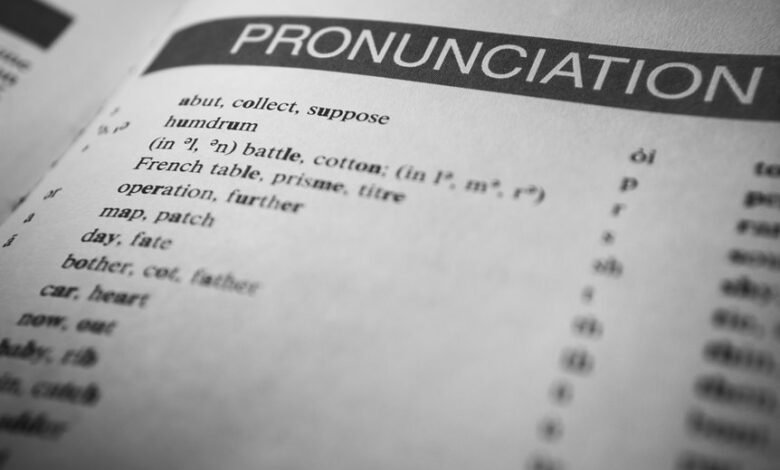
A beginner-friendly guide to Äääääääääååååå introduces a playful set of glyphs that blend vowels with diacritical marks to emphasize sound over fixed meaning. The text clarifies pronunciation patterns, spelling quirks, and transliteration issues across traditions. It provides practical examples and historical notes on how Ä and Å signal length, quality, or identity. The goal is to equip readers with concrete approaches, while inviting further exploration into how these symbols travel and transform, and what that reveals about language.
What Is Äääääääääååååå and Why It Fascinates
Ääääääääääååååå is a playful string of characters that blends different alphabetic symbols to evoke sound, texture, and cultural nuance rather than a single, fixed meaning. The phenomenon centers on transliteration versatility and symbolic diversity. It demonstrates ungrounded curiosity and linguistic novelty, inviting analysis of glyph interactions, cultural borrowings, and user-driven interpretation as a flexible medium rather than a rigid label.
Pronunciation Tips: Sounding Out the Quirky Characters
Pronunciation of the quirky characters requires a practical approach: identify the vowel and consonant sounds represented, then map them to familiar phonetic equivalents. The guide offers concise rules for Ä and Å, illustrating tongue position and vowel length.
Example pairs demonstrate consistent pronunciation tips, reducing ambiguity. Clear articulation strategies help learners render quirky characters accurately, with practical, repeatable steps for confident speech.
Spelling Quirks and Practical Examples You Can Try
Spelling quirks arise from the system’s distinctive character set, requiring learners to map each symbol to a concrete grapheme and consistent orthographic rule.
Ä and Å often signal vowel distinctions or length contrasts that do not align with English equivalents, so practical examples illustrate when to use each symbol, how to sustain a stable vowel sound, and where diacritical marks alter meaning.
spelling quirks, practical examples.
The Stories Behind Unusual Symbols and How They Show Up in Language
Unusual symbols have origins rooted in historical writing systems, language contact, and the practical needs of representing sounds that do not exist in many standard alphabets.
The stories behind unusual symbols reveal story origins, symbol evolution, and pronunciation quirks across traditions.
Orthography contrasts emerge as transcription systems adapt, creating practical examples of how symbols migrate, modify, and influence contemporary spelling and pronunciation in diverse languages.
Frequently Asked Questions
How Has Äääääääääååååå Evolved in Modern Texting?
The evolution of emojis shapes modern texting, reflecting shifting norms and contexts. Texting nostalgia persists as users revisit classic symbols while new icons expand expressive range, enabling nuanced sentiment without words, complementing tone indicators and evolving conversational etiquette.
Do All Languages Use These Quirky Characters the Same Way?
Languages do not use these quirks identically; characters vary by script and localization. Language equivalence is not guaranteed. Keyboard localization adapts input methods; practical examples show different symbol sets and typing quirks across languages, yet communication remains effective.
Can Children Learn These Symbols Without Prior Linguistic Experience?
Children can start learning these symbols without prior linguistic experience, though mastery varies; early exposure builds symbol familiarity. The process emphasizes learning script patterns, phoneme mapping, and practice. Practical examples illustrate progression in learning script and symbol familiarity.
Are There Keyboard Layouts Optimized for These Characters?
Yes, there are keyboard layouts optimized for these characters; they can improve typing efficiency by placing frequent symbols on accessible keys, reducing hand movement. The layouts vary, with practical examples including layer-based and custom Dvorak-like configurations.
What Cultural Myths Surround Äääääääääååååå?
Cultural myths surrounding äääääääääååååå include assumptions about sound, origin, and legitimacy; researchers note translation myths and phonetic expectations, while emoji equivalence and cultural symbolism influence interpretation, yet actual usage varies by community and personal context.
Conclusion
In summary, ä, å, and their playful diacritics illuminate how orthography can encode nuance, identity, and cross-cultural exchange. The guide treats these symbols as flexible tools for exploring pronunciation, spelling quirks, and historical context rather than rigid rules. A hypothetical case: a language learner in a bilingual community uses ä to signal a shifted vowel quality in Swedish conversations, while å marks a long, sonorous tone in Finnish-influenced names, illustrating how symbols subtly shape meaning.