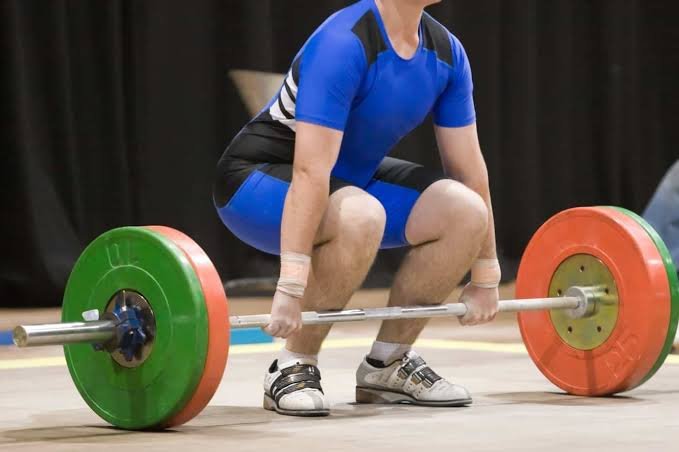
Anyone who has watched a heavy deadlift go wrong knows the usual story: the bar drifts forward, the hips shoot up, and the lifter’s heels or toes seem to be fighting the floor. Footwear plays a bigger part in that story than most people realise. If you plan to shop DLx500 deadlift shoes online or simply want to understand why lifters prefer flat, minimalist footwear, it helps to know what a zero-drop sole actually changes in your setup, your balance and the path of the bar. This guide breaks it down in practical terms.
What “Zero-Drop” Actually Means
Heel-to-toe drop is the difference in height between the heel and the forefoot of a shoe. A typical running shoe may have a drop of around 8 to 12 millimetres, plus soft cushioning. An Olympic lifting shoe has a rigid, raised heel. A zero-drop shoe keeps both at the same level, so your foot sits as it would when you stand barefoot. For the deadlift, that matters because the lift depends on a very specific relationship between your foot, shin, hip and the bar.
Why the Deadlift Is Sensitive to Foot Position
The conventional deadlift is a hinge. The bar starts over the middle of the foot, your shins are close to vertical, your hips sit above the knees and your back stays braced. You then push the floor away while keeping the bar close to your legs.
Three footwear factors can disturb this:
- Heel elevation: a raised heel tilts the shin forward and shifts weight toward the toes, which can pull the bar forward.
- Cushioning: soft midsoles compress under load, which makes the base wobble and wastes force.
- Sole thickness: thick soles increase the distance the bar must travel, which makes the lift longer and slightly harder.
A flat, thin and firm sole minimises all three.
How Zero-Drop Shoes Change Your Positioning
1. A More Natural Shin Angle
Without a raised heel, the shin can stay closer to vertical at the start. This often makes it easier to keep the bar over the midfoot and to avoid the forward lean that raises the hips too early. Lifters with limited ankle mobility sometimes notice an immediate difference, though not always in a positive way, as we will see below.
2. Better Weight Distribution Through the Foot
Strong lifters often describe a “tripod foot”: pressure shared between the heel, the base of the big toe and the base of the little toe. A flat sole encourages this balance. With a raised heel, pressure tends to slide forward, and the heel may feel light as the bar leaves the floor.
3. Shorter Range of Motion
Thin soles reduce the vertical distance between your feet and the floor. Even a few millimetres less travel can make a difference across multiple reps, while the slightly lower starting position may suit certain body proportions. Lifters comparing footwear can also consider options such as shop DLx500 deadlift shoes online when looking for a purpose-built design that supports a stable, close-to-the-ground setup.
How They Affect Balance
Ground Feel and Proprioception
The foot contains many sensory receptors that tell your brain where you are in space. A thin, firm sole lets you feel the floor more clearly, which helps you detect small weight shifts before they become errors. Many lifters report that they feel “rooted” and more aware of their midfoot pressure.
A Stable, Non-Compressive Platform
Squishy cushioning absorbs force, which is great for running and poor for heavy pulls. A dense, flat outsole transfers force more directly into the floor, so there is less energy lost and less lateral wobble when the bar breaks off the ground.
Toe Splay and Foot Strength
Wide toe boxes allow your toes to spread, which widens your base of support. Over time, training in flat shoes can also strengthen the small muscles of the foot, although this adaptation should be introduced gradually.
Who Benefits Most, and Who Should Be Careful
Zero-drop footwear is not magic. Individual anatomy matters.
May benefit:
- Conventional and sumo deadlifters who want a stable, flat platform
- Lifters who tend to drift onto their toes
- Athletes who already train barefoot or in minimalist shoes
May need caution:
- People with tight calves or limited ankle dorsiflexion. A flat sole demands more mobility at the ankle, so the shin angle may force the hips higher or the knees to cave.
- Anyone switching abruptly from highly cushioned or raised-heel shoes. Calves, Achilles tendons and arches can feel overloaded without adaptation.
- Lifters with specific foot or ankle conditions, who should seek professional advice.
A Sensible Transition Plan
- Start light: Use lighter weights for the first one or two weeks, even if the lift feels easy.
- Introduce gradually: Wear flat shoes for warm-ups and lighter sets before using them for heavy work.
- Build ankle mobility: Calf stretches, knee-to-wall drills and controlled bodyweight squats help.
- Train the foot: Short foot exercises, toe spreading and calf raises build strength.
- Watch your setup: Check that the bar still sits over the midfoot and your hips are not rising too early.
- Film your lifts: Compare video from the side to see how your shin angle and bar path change.
See also: Advancing Retail Efficiency with Modern Technology
Zero-Drop vs Other Footwear for Deadlifts
| Footwear type | Strengths | Limitations for deadlifts |
| Cushioned running shoes | Comfortable for cardio | Unstable under heavy load, compressive soles |
| Raised-heel lifting shoes | Great for squats | Shifts weight forward, lengthens deadlift range |
| Flat gym trainers | Convenient and affordable | May still have soft midsoles |
| Socks or barefoot | Maximum floor feel | Gym rules, hygiene and grip concerns |
| Zero-drop lifting shoes | Flat, firm, secure grip on the floor | Require ankle mobility and adaptation |
Conclusion
Zero-drop shoes help deadlifters by providing a flat, firm and stable base that supports a natural shin angle, better foot pressure and a shorter pull. They are not a cure-all, and ankle mobility and gradual adaptation matter. Test them sensibly, film your lifts and judge the results objectively. When you are ready to buy best DLx500 barefoot shoes online, select a pair that fits snugly, feels stable and supports the way you pull.
PRO WOLF is a strength training brand that offers gear for lifters who value performance and durability. Their footwear focus supports deadlift training with stable, flat-soled designs that help athletes stay balanced, maintain solid positioning and build confidence under heavy loads, from first sessions to serious competition preparation.