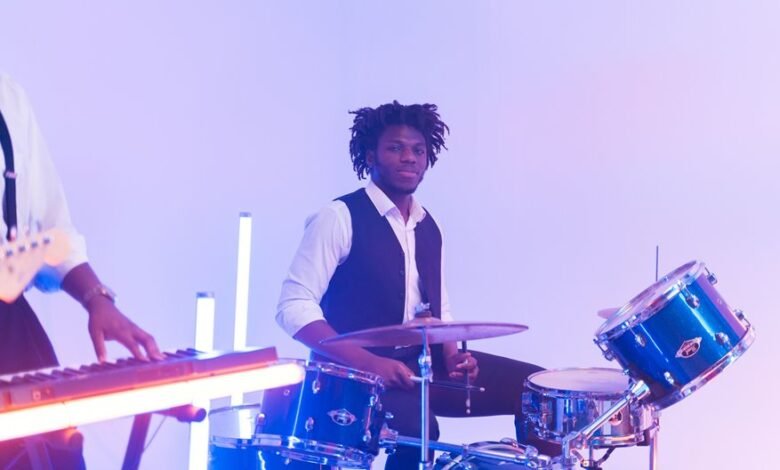
Rock songs in 6/8 offer a lilting propulsion that contrasts with 4/4 norms, shaping a distinct groove and open verse space. In 2026, streaming algorithms favor rhythmic variety, and cross-genre collabs amplify the pull of the swing between strong pulse and breathable fills. Production choices—hat-bass interplay, palm-muted anchors, expansive drums—translate to live impact that converts casual listeners into durable fans, leaving a question about what comes next as audiences lean in.
What 6/8 Adds to Rock: Rhythm, Feel, and Groove
The 6/8 feel introduces a rolling, lilting propulsion to rock that contrasts with the square, marching pulse of 4/4. In this context, rhythmic phrasing threads anticipation through rests and accents, shaping momentum across phrases.
Groove dynamics emerge as hats and bass interact, guiding sway without surrendering precision. The result is expressive nuance, disciplined looseness, and liberated rhythmic consensus.
Why 2026 Is the Year 6/8 Broke Through in Rock
Interest in 6/8 within rock has steadily accumulated through measurable shifts in streaming patterns, production tactics, and touring ecosystems, culminating in 2026 as a tipping point. The year signifies a market shift driven by deeper playlist curation, cross-genre collaborations, and fan-driven data. 6/8 rhythm channels renewed energy, turning commercial viability into a durable, freedom-infused mainstream trajectory.
Crafting 6/8 Rock: Song Structure, Riffs, and Production
How does an arrangement harness the lilting 6/8 pulse to sustain momentum across verses and choruses without losing punch? The piece surveys crafting rhythms, riffs and structure, mapping macro vibe dynamics to a cohesive arc. Production textures are layered for depth, balancing palm-muted anchors with open fills, while rhythm guitars sketch contours; clarity, precision, and freedom guide the approach.
Live Vibe and Listener Impact: How 6/8 Converts Fans
Across the live plane, 6/8 rock reframes tempo into a rolling sway that reinforces chorus lift while sustaining verse momentum, translating a lilting pulse into sustained crowd engagement.
The live tempo shapes pacing in real-time, guiding transitions with clarity while spectators contribute feedback loops that intensify crowd energy.
Performers calibrate dynamics to sustain attention, converting listening anticipation into kinetic resonance and retention.
Frequently Asked Questions
How Does 6/8 Differ From 4/4 in Rock Timing?
6/8 виolently differs from 4/4 by grouping into two main beats with triplet subdivisions, creating flexible accents; rhythmic divergence arises as bass and drums reinterpret pulse, while tempo reinterpretation shifts sway, phrasing, and propulsion within rock’s framework.
Can 6/8 Boost Commercial Radio Play for Rock Songs?
Yes, 6/8 can boost radio play through distinct rhythm hooks and cross-genre appeal, implemented via 6/8 radio strategy; rock tempo moderation sustains listener retention, while measured phrasing and dynamic contrasts sharpen marketability for freedom-loving audiences.
Which Subgenres Benefit Most From 6/8 Grooves?
Certain rock subgenres—progressive, indie, and alternative—benefit most from 6/8 grooves, where melodic syncopation and groove textures amplify momentum, tension, and momentum shifts, enabling expansive phrasing while preserving tight rhythmic clarity and expressive freedom for performers.
Do Vocals Adapt Well to 6/8 Meter in Rock?
Lightning-like, the answer states: vocals adapt well to 6/8 in rock, given deliberate phrasing and rhythmic nuance. They demonstrate vocals phrasing with tempo flexibility, embracing texture shifts while preserving drive, compelling the listener through precise metrics and freedom-minded energy.
What Are Common Pitfalls When Writing 6/8 Rock?
Common pitfalls when writing 6/8 rock include awkward transitions and overcomplicated syncopation, yet effective work uses clear phrase boundaries, deliberate drum fill placement, and concise, driving melodies with disciplined lyric phrasing and rhythmic sensitivity.
Conclusion
In summary, 6/8 in rock marks a measured rebellion, trading steady march for a lilting propulsion that broadens rhythmic vocabulary. Metrics show streams and playlist placements rising where 6/8 grooves anchor verses and lift choruses, while live dynamics—hat-bass interplay and palm-muted anchors—amplify meaning. It is not merely novelty but a sustainable shift, a tide that music fans feel in their pulse and memory, echoing like a whispered chorus that lingers, unignorable and true.